

Family research can be extremely time-consuming if you let it. Once I’d got bitten by the bug, I’d spend almost every waking hour researching. But, a lot of my initial work was pointless.
When you’re researching information from documents, they’re almost always handwritten. And usually not by the people you’re researching.
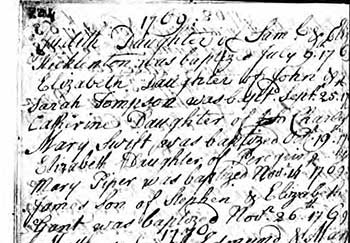 Add to that, the fact that many people in the 1800s and previous couldn’t read or write, many errors occurred. On top of that, if your research involves utilising transcribed reports, the transcriptions are often wrong.
Now, I’m not knocking the thousands of people who give their time to carry out this spectacularly difficult task. But handwriting from years ago is sometimes almost impossible to make out.
If I could go back and start my journey again, there are several things I’d do differently. So, I’ve decided to list some family research tips that I wish I’d known before I started.
My 10 favourite tips for research beginners
So, here’s the list of my 10 favourites. Over the coming weeks, I’ll break each of them down into their own (hopefully) helpful article.
- Speak to your family – Census records in the UK are only released after 100 years, therefore, much of the useful information from the last 100 years will be from living relatives.
- Take your time picking a family tree website – Each of the big four (Ancestry, FindMyPast, MyHeratige and FamilySearch) has its own pros and cons. Choose wisely. (I use FamilySearch)
- Expect to use the other sites – Regardless of which option you choose, there will almost certainly be times when you need to find something that’s only available on one of the sites you don’t subscribe to.
- Decide early on, the goal of your Family Tree – eg. Do you want to see who far you can go back? Do you want to see if you’re related to anyone famous? Or maybe you just want to understand how your relatives lived? The process will be different depending on your answer.
- Be thorough – Even if you’re searching for someone with a really unusual name, chances are there’s more than one who lived in that area at the same time. Don’t be tempted to accept your first findings without doing some extra research first.
- Free resources are great – There are dozens of ways to find information without spending a single penny. But you’re often reliant on the transcription of data being correct. All the major ancestry websites give free access to listings, but in the main, you’ll need to subscribe to see the actual documents.
- Names change – Because the enumerator or the registrar generally had to record names by pronunciation, the spellings can sometimes be wildly different. So be open with your search parameters, using ‘wildcard’ characters when possible. I had one relative whose family name had been written as Hows, Howes, Hawes, Hause and Hawse in different records!
- People lie! – Carrying on from the last item, on the census, people will often lie about their age (especially women). I’ve had one person who only managed to age 14 years over a 20-year census! Again, be open when using these documents to establish birth, marriage etc.
- Join some online forums – Online forums are filled with people who are more than willing to help you with your research.
- Speak to the local historical society in the area you’re researching – There’s a huge amount of information just waiting to be tapped.
So there you have it. 10 things I wish I’d known at the beginning of my journey. I hope you find them useful.
Until next time, Happy Hunting!
